
Inpatient Rehabilitation in Karachi
For individuals whose addiction or mental health condition has reached a point where home-based support is no longer enough, PRC Rehab offers inpatient rehabilitation in Karachi within a structured, residential care setting. Patients live within the facility for the duration of their program, away from the environments, relationships, and pressures that have contributed to their condition. This level of care is designed for those who need consistent supervision, daily structure, and professional support to begin building a stable foundation for recovery.
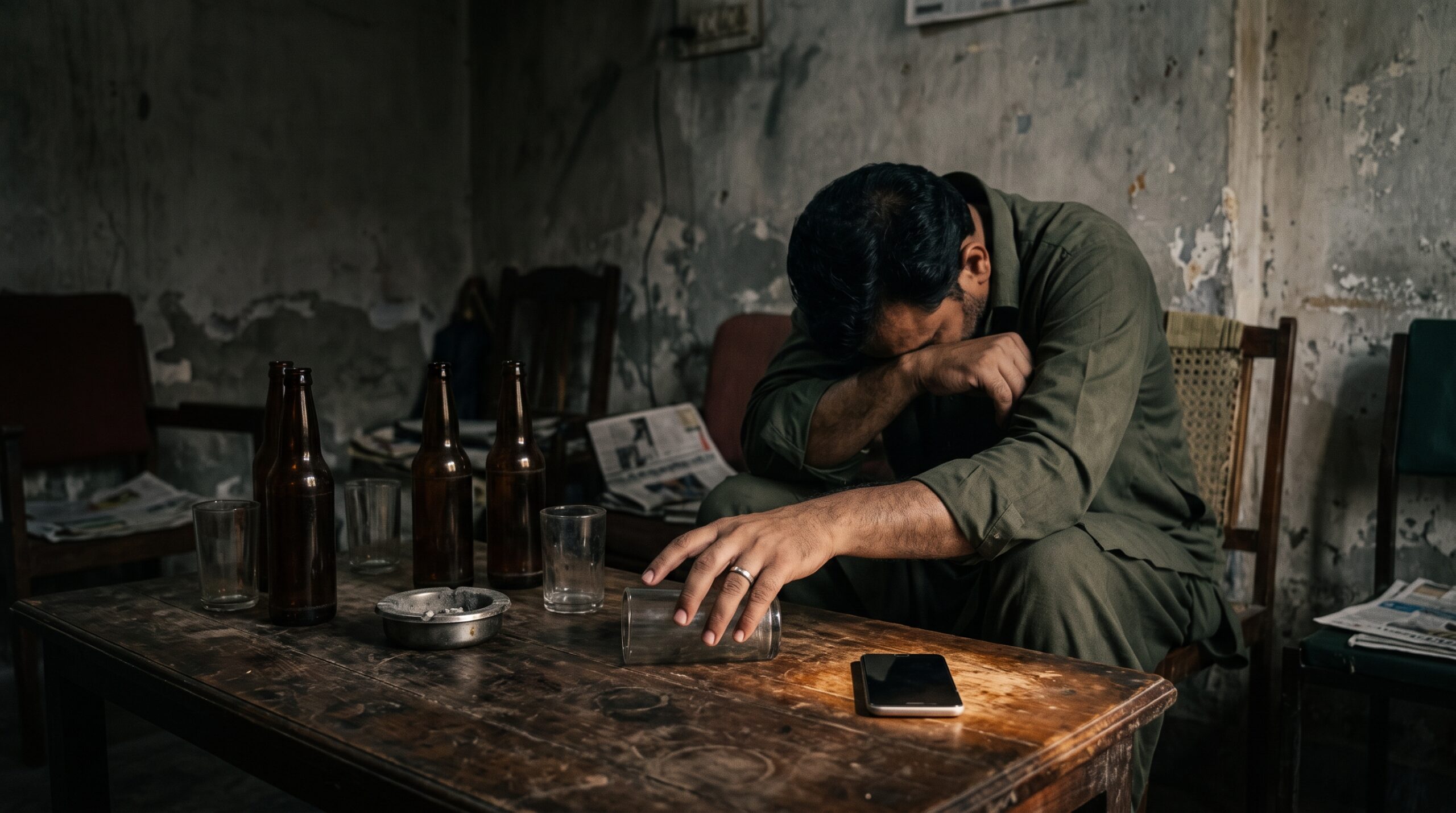
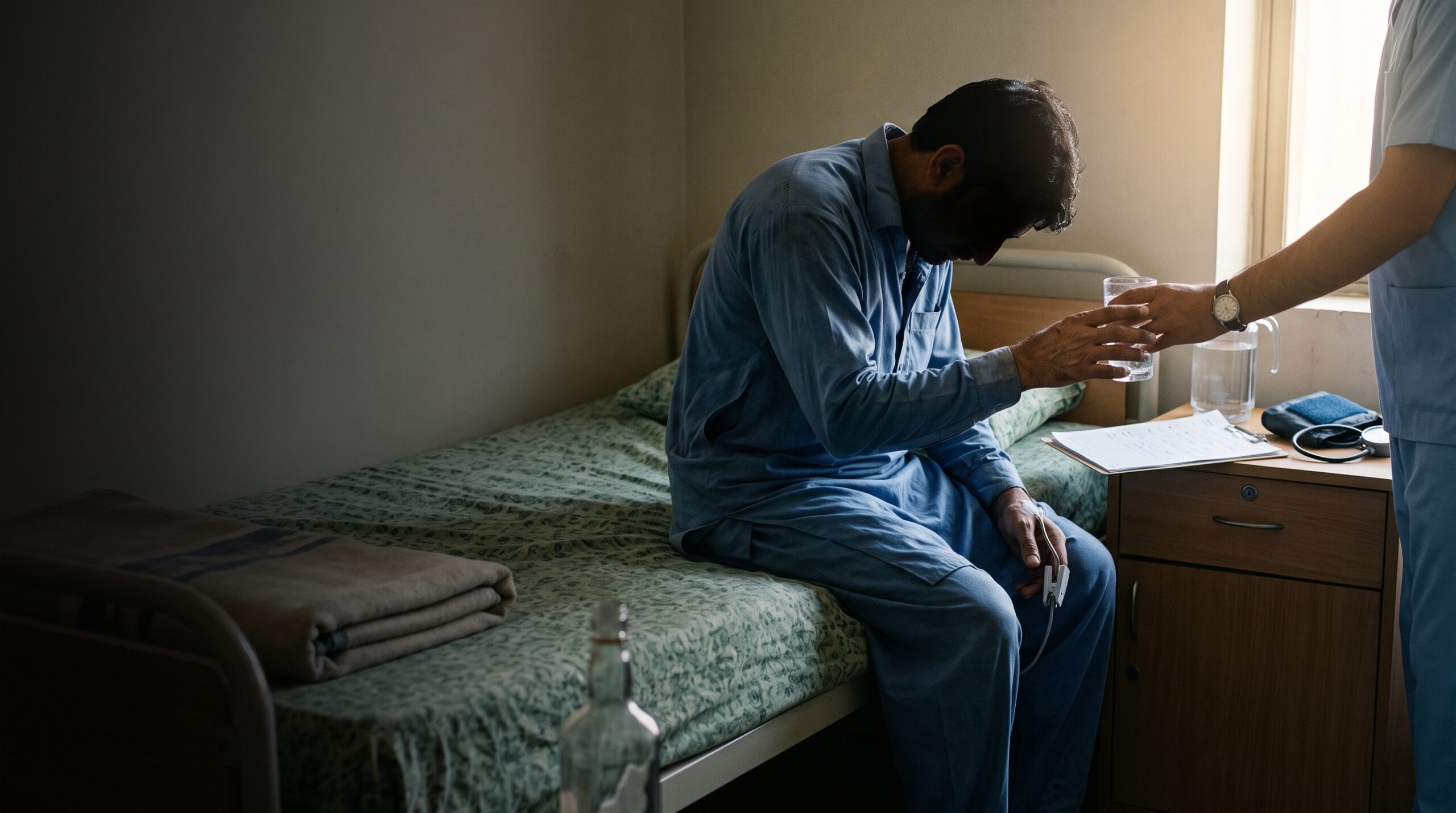
The inpatient rehabilitation setting is particularly valuable for patients who have not been able to sustain recovery in less structured environments, or whose condition requires a level of monitoring and support that cannot be provided at home.
What Is Inpatient Rehabilitation?
Inpatient rehabilitation is a form of structured residential care in which a patient lives within a treatment facility for a defined period, receiving supervised support, counseling, and recovery-focused programming throughout the day.
Unlike outpatient treatment, where a patient attends sessions and returns home, inpatient rehabilitation removes the patient from their everyday environment entirely. This separation matters because recovery is not only about stopping substance use; it is about changing the patterns, habits, and circumstances that have kept that use in place.
What inpatient rehabilitation provides:
- A residential environment away from substances triggers, and negative influences
- Consistent daily structure that replaces the chaos of active addiction
- Supervised support adjusted to the patient's individual level of need
- Access to counseling behavioral support, and mental health evaluation
- Reduced exposure to the people and places associated with substance use
- A safe contained space for emotional stabilization and early recovery work
When Inpatient Rehab May Be Needed
Not every person recovering from addiction requires inpatient care. However, there are situations where attempting recovery without a residential structure significantly increases the risk of relapse, harm, or continued deterioration. Families often recognize these situations before the person struggling does.
Inpatient rehabilitation may be appropriate when:
- Repeated relapse has occurred despite genuine attempts to stop or reduce substance use
- Withdrawal symptoms have appeared when the person tried to cut down or stop, making unsupported attempts unsafe or unmanageable
- Severe addiction to alcohol drugs, or prescription medicines has developed over a prolonged period
- Emotional instability is making the person unpredictable distressed, or a risk to themselves or others
- Family conflict caused by addiction or mental health symptoms has made the home environment unsuitable for recovery
- An unsafe home environment exists where substances are accessible or peer pressure to use is constant
- Lack of routine or accountability means the person cannot maintain any structure independently
- Co-occurring mental health concerns such as depression anxiety, or mood instability are present alongside addiction
- Failed attempts at recovery without structure have demonstrated that a less intensive approach is not sufficient
If several of these apply, a confidential addiction assessment can help determine whether inpatient rehabilitation is the most appropriate level of care.
Who Can Benefit from Residential Rehab?
PRC Rehab’s inpatient program is designed to support a wide range of presentations. Residential rehabilitation is not limited to any single substance or condition; it is suited to anyone whose recovery requires a level of structure, supervision, and professional support that cannot be sustained in an outpatient or home setting.
For patients with both addiction and psychiatric symptoms, PRC Rehab’s dual diagnosis treatment in Karachi ensures both dimensions are addressed within the inpatient program. Those with significant mental health needs can also access the mental health rehabilitation center in Karachi as part of their care.
| Condition or Concern | Why Inpatient Care May Help |
|---|---|
| Condition or Concern | Why Inpatient Care May Help |
| Drug addiction | Removes access to substances and provides structured behavioral support |
| Alcohol dependency | Provides supervised withdrawal support and daily accountability |
| Ice or meth addiction | Addresses sleep disruption, mood instability, and intense cravings in a controlled environment |
| Heroin or opioid addiction | Supports withdrawal management and reduces relapse risk during the most vulnerable phase |
| Prescription drug misuse | Provides structured reduction support and addresses underlying behavioral patterns |
| Dual diagnosis concerns | Treats addiction and co-occurring mental health conditions within the same care framework |
| Depression or anxiety with addiction | Offers emotional support and mental health evaluation alongside recovery programming |
| Relapse after previous treatment | Provides a higher level of structure for patients who have not sustained recovery in less intensive settings |
What Happens During Inpatient Rehabilitation at PRC Rehab
PRC Rehab’s approach to inpatient rehabilitation begins with understanding the individual. No two patients arrive in the same situation, and the care provided is shaped by each person’s substance use history, physical condition, emotional state, mental health needs, and personal circumstances.
- Confidential initial assessment to understand the patient's background, current condition, and immediate needs before any plan is developed
- Residential care planning tailored to the patient's specific history, rather than a generic program applied uniformly
- Structured daily routine that provides predictability reduces idle time, and replaces the patterns of active addiction with recovery-focused activity
- Supervised support adjusted to the level of care the patient's situation requires, with appropriate oversight throughout the residential stay
- Counseling and emotional support addressing the psychological dimensions of addiction, including underlying stress, trauma, and behavioral patterns
- Group therapy where appropriate providing peer connection and shared accountability within a supported environment
- Family guidance to keep loved ones informed and constructively involved without creating additional pressure on the patient
- Mental health evaluation where needed particularly where anxiety, depression, mood instability, or psychiatric symptoms are present alongside addiction
- Relapse prevention planning that begins during the inpatient stay, identifying personal triggers and building practical coping strategies before discharge
- Aftercare guidance to ensure the patient has a clear supported path forward after leaving the residential program
PRC Rehab’s residential facilities in Clifton and Malir provide the structured inpatient setting in which this level of care is delivered. Families can review the rehab admission process to understand how to begin, or speak with the team confidentially before making any decisions.
Supervised Care and Daily Structure
One of the most significant advantages of inpatient rehabilitation is the daily structure it provides. Addiction thrives in unstructured time: idle hours, unsupervised access to substances, and the absence of routine all create the conditions in which cravings grow and relapse becomes more likely. A residential program replaces that environment with one designed to support recovery.
- Reduced access to substances removes the immediate opportunity to use, breaking the cycle of impulsive use that many patients struggle to interrupt at home
- Routine and accountability provide a framework for the day that reduces the psychological space in which cravings develop
- Supervision ensures the patient is not navigating difficult moments alone, and that appropriate support is available when needed
- Counseling is integrated into the daily program rather than being an occasional appointment, allowing for consistent therapeutic progress
- Peer support where appropriate connects patients with others in recovery, reducing isolation and building shared accountability
- Family communication is managed in a way that supports the patient's recovery without creating additional stress or pressure
- A recovery-focused environment means that every element of the residential setting, from routine to relationships, is oriented toward the patient's progress rather than their previous patterns
For patients who require 24/7 supervised care as part of their inpatient stay, PRC Rehab’s residential program provides the appropriate level of monitoring and support throughout the day and night.
Inpatient Rehab for Addiction Recovery
PRC Rehab’s inpatient program supports recovery from a range of substance use conditions. The residential setting is particularly suited to patients whose addiction has progressed to a point where outpatient or community-based support has not been sufficient.
Alcohol dependency often requires a residential setting because alcohol withdrawal can be unpredictable and because the social availability of alcohol makes home-based abstinence especially difficult to sustain. PRC Rehab’s alcohol addiction treatment program is available within the inpatient framework for patients whose dependency requires structured residential care.
Drug addiction, including heroin, opioids, and other illicit substances, frequently benefits from inpatient rehabilitation because the withdrawal phase and early recovery period carry significant relapse risk. The drug rehabilitation center in Karachi provides residential addiction treatment within a supervised, structured environment.
Ice and methamphetamine addiction involves significant sleep disruption, mood instability, and intense psychological cravings that are difficult to manage without structured support. PRC Rehab’s ice addiction treatment program addresses these specific challenges within the inpatient setting.
Prescription drug misuse, including dependency on sedatives, sleeping pills, or painkillers, often develops gradually and requires careful, supported management. PRC Rehab’s prescription drug addiction treatment is available as part of the inpatient program for patients whose dependency has reached a level requiring residential care.
Where detox is needed before or at the start of the inpatient stay, PRC Rehab’s detox program in Karachi provides a safe detox environment within the same residential framework.
Inpatient Support for Mental Health Concerns
Addiction and mental health conditions frequently occur together. Many patients entering inpatient rehabilitation are managing not only substance use but also depression, anxiety, mood instability, trauma-related distress, or other psychiatric symptoms that have developed alongside or because of their addiction.
Inpatient rehabilitation provides the environment in which both dimensions can be addressed at the same time. Attempting to treat addiction while leaving significant mental health concerns unaddressed often results in incomplete recovery, because the emotional pain or psychiatric distress that contributed to substance use remains unresolved.
Mental health conditions commonly supported within inpatient rehab include:
- Depression and persistent low mood particularly common during and after withdrawal from stimulants or alcohol
- Anxiety and panic which can be acute in early recovery and require consistent emotional support
- Mood instability and anger which may be directed at family members or care staff during a difficult period
- Sleep disturbance including insomnia, disrupted sleep cycles, or excessive sleeping during withdrawal
- Trauma-related distress where past experiences become more present once the numbing effect of substances is removed
- Paranoia or psychotic symptoms particularly in patients with a history of ice or prolonged stimulant use
- Co-occurring psychiatric conditions that require evaluation and support alongside the addiction treatment process
PRC Rehab’s dual diagnosis treatment in Karachi ensures that patients with co-occurring conditions receive integrated care within the inpatient setting. The mental health rehabilitation center in Karachi provides specialist support for patients where psychiatric needs are significant.
Family Involvement During Inpatient Rehab
Families are often deeply affected by the time a loved one enters inpatient rehabilitation. The months or years leading up to admission frequently involve significant stress, conflict, uncertainty, and exhaustion. PRC Rehab recognizes that recovery is not only an individual process; it involves the family system as a whole.
Receiving appropriate updates on the patient's general wellbeing and progress
Guidance on how to communicate with a loved one during their residential stay without adding pressure
Support for processing the family's own emotional response to the situation
Practical information on what to expect at different stages of the inpatient program
Preparation for the patient's eventual return to everyday life, so the home environment supports rather than undermines recovery
PRC Rehab’s family support counseling program is available to help loved ones navigate this period with clarity and practical guidance. Families who are concerned about immediate safety and cannot wait should be aware that emergency rehab admission in Karachi is available for situations that require an urgent response.
For Families
You do not need to have everything resolved before reaching out. PRC Rehab's team can help you understand what to expect during inpatient rehabilitation, how to communicate with your loved one in a way that supports rather than undermines their recovery, and how to prepare for the transition home when the time comes.
Frequently Asked Questions
Still unsure whether treatment is the right step? Speak to our clinical team in confidence.
What is inpatient rehabilitation?
Inpatient rehabilitation is a form of structured residential care in which a patient lives within a treatment facility for a defined period. It provides supervised support, counseling, daily routine, and recovery-focused programming throughout the day. Unlike outpatient treatment, inpatient rehabilitation removes the patient from their everyday environment, reducing exposure to substances, triggers, and negative influences while providing consistent professional support.
When does someone need inpatient rehab?
Inpatient rehabilitation may be needed when a person has developed a significant addiction or mental health condition that has not responded to less intensive support. It is particularly appropriate when repeated relapse has occurred, when the home environment is unsafe or unsupportive, when withdrawal symptoms are present, when emotional instability is significant, or when co-occurring mental health concerns require integrated residential care.
Does PRC Rehab provide inpatient rehabilitation in Karachi?
Yes. PRC Rehab provides inpatient rehabilitation within residential facilities in Clifton and Malir. The program is available for individuals whose substance use history, mental health needs, and personal circumstances indicate that a structured residential environment would best support their recovery. All inquiries and admissions are handled confidentially.
How long does inpatient rehab take?
The duration of inpatient rehabilitation varies depending on the individual’s condition, the substances involved, the presence of co-occurring mental health concerns, and the progress made during the residential stay. PRC Rehab does not apply a fixed program length to all patients; the duration is determined by each patient’s needs and reviewed as the program progresses. Families can discuss expected timelines during the confidential addiction assessment.
Is inpatient rehab only for drug addiction?
No. Inpatient rehabilitation at PRC Rehab supports a range of conditions, including alcohol dependency, drug addiction, prescription drug misuse, ice and methamphetamine addiction, dual diagnosis concerns, and mental health conditions that occur alongside or independently of substance use. The residential setting is suited to any patient whose condition requires a level of structure, supervision, and professional support that cannot be sustained in an outpatient or home setting.
Can families be involved during inpatient rehab?
Yes. Family involvement is an important part of the recovery process. PRC Rehab provides family guidance throughout the inpatient program, including appropriate updates on the patient’s wellbeing, guidance on how to communicate constructively, and preparation for the patient’s return to everyday life. PRC Rehab’s family support counseling program is available to help loved ones navigate this period with clarity and support.
What happens after inpatient rehabilitation?
Inpatient rehabilitation is the beginning of recovery, not the end. After completing the residential program, patients typically move into a structured aftercare plan that may include outpatient support, continued counseling, relapse prevention planning, and family guidance. PRC Rehab’s relapse prevention programs and outpatient and aftercare programs provide continuity of care for patients transitioning from inpatient rehabilitation back into daily life.
11 — Admissions Inquiry
Request a Confidential Call Back
Complete the form and our admissions team will contact you to discuss your needs and guide you through the next steps. All information is treated confidentially.
CALL US TODAY
Clifton Address
F-3/1, G-20 Forum St, Block 9 Clifton, Karachi, 75600, Pakistan
Malir Address
H.no 248, Gelanabad, Malir Khokharapar No. 2, Karachi
Hub Balochistan Address
Near Jaam Ghulam Qadir civil Hospital Agri Auto Road