
Ice Addiction Treatment in Karachi
Ice is one of the most powerful and disruptive substances affecting individuals and families in Karachi today. Its effects on the brain, behavior, and mental health can develop quickly and become very difficult to manage without professional support. PRC Rehab provides confidential ice addiction treatment in Karachi for individuals who are ready to begin recovery, and for families who are looking for guidance on how to help a loved one. Our approach is structured, compassionate, and built around each person’s individual circumstances, without judgment and without pressure.
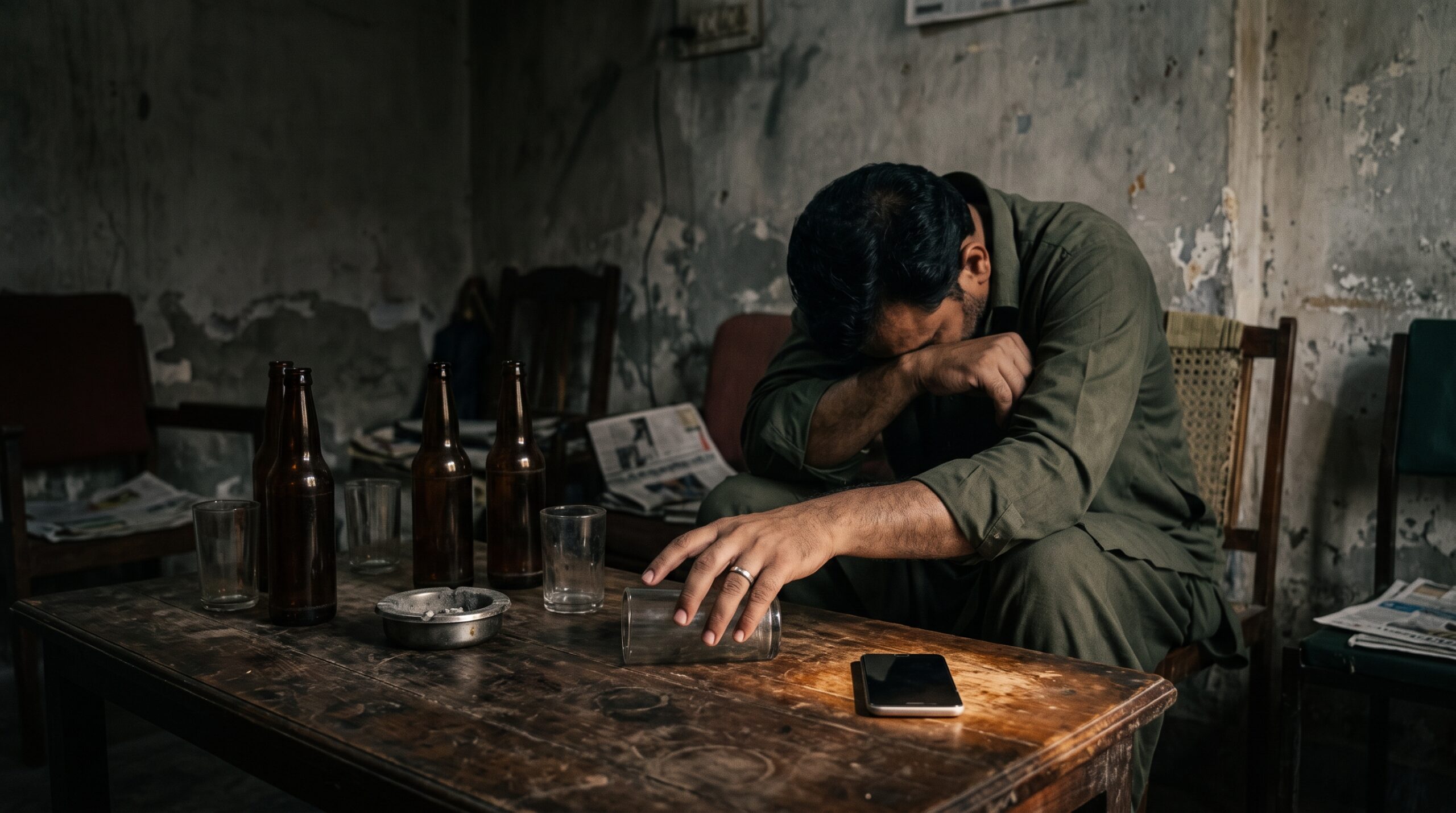
What Is Ice and Why Is It So Addictive?
Ice is a street name for crystal methamphetamine, a powerful stimulant that affects the central nervous system. It is typically smoked, though it may also be used in other ways. The substance produces an intense and rapid sense of energy, alertness, and euphoria by flooding the brain with dopamine, the chemical associated with pleasure and reward.
This effect is also what makes ice so difficult to stop using. The brain quickly adjusts to the presence of the drug, and over time, ordinary activities no longer produce the same sense of satisfaction or motivation. The person using ice may feel that they need it simply to feel normal, functional, or emotionally stable.
Brain chemistry
and the ability to feel pleasure naturally
Sleep patterns
and the ability to rest without the substance
Mood regulation
including the ability to manage anxiety, anger, or low mood
Decision-making
impulse control, and judgment
Behavior and social relationships
Physical health
including weight, skin, and dental condition
Because the pull of ice is both psychological and behavioral, recovery requires more than willpower alone. Structured support, counseling, and a safe environment play a significant role in helping individuals rebuild their lives after ice use.
Common Signs of Ice Addiction
Ice addiction can develop gradually, and families often notice changes in behavior before the person using acknowledges a problem. Recognizing the signs early can make a meaningful difference in getting appropriate support in place.
If several of these signs are present, it is worth seeking a professional opinion. A confidential addiction assessment can help clarify what level of support is appropriate and what steps to consider next.
| Warning Sign | What It May Indicate |
|---|---|
| Long periods without sleep | Stimulant use disrupting normal sleep cycles |
| Extreme energy followed by exhaustion | The cycle of intoxication and crash |
| Anxiety, paranoia, or suspicion | Psychological effects of stimulant use |
| Aggressive or risky behavior | Impaired judgment and impulse control |
| Noticeable weight loss | Appetite suppression associated with ice use |
| Changes to skin or dental health | Physical effects of prolonged use |
| Secretive behavior, hiding activities | Active concealment of substance use |
| Financial problems or unexplained spending | Funds being directed toward obtaining ice |
| Decline in work, studies, or family responsibilities | Addiction affecting daily functioning |
| Relationship breakdown or social withdrawal | Substance use prioritized over personal connections |
When to Seek Ice Addiction Treatment
There is no single threshold that determines when someone needs professional treatment. However, there are clear situations where seeking support is the responsible and often urgent next step.
Health is being affected
including significant weight loss, sleep deprivation, paranoia, or physical deterioration
Mental health is deteriorating
with increasing anxiety, mood instability, aggression, or episodes of psychosis
Relationships are breaking down due to behavior
dishonesty, or the prioritization of substance use
Employment
studies, or family responsibilities are being neglected as a result of ice use
Safety is at risk
either for the person using or for those around them
Repeated attempts to stop have not worked
even when the person genuinely wanted to quit
The person is using ice to cope with stress
sleep, emotional pain, or daily functioning
Waiting for the situation to resolve on its own is rarely effective with ice. The sooner support is sought, the more manageable the recovery process tends to be. Families who are unsure where to begin can speak with PRC Rehab’s team confidentially to understand what options are available, or review the rehab admission process before making any decisions.
Frequently Asked Questions
Still unsure whether treatment is the right step? Speak to our clinical team in confidence.
What is ice addiction?
Ice addiction refers to a pattern of compulsive crystal methamphetamine use that continues despite negative consequences to health, relationships, work, or safety. Over time, the brain adapts to the presence of ice, making it increasingly difficult to stop without professional support. Ice addiction involves both psychological dependency and significant behavioral changes that typically require structured treatment to address effectively.
Is ice the same as crystal meth?
Yes. Ice is a street name for crystal methamphetamine, a synthetic stimulant drug. It is the same substance referred to as crystal meth, shabu, or tina in different contexts. The term “ice” is commonly used in Pakistan and refers to the crystalline form of the drug that is typically smoked.
What are the signs of ice addiction?
Common signs include extended periods without sleep, extreme energy followed by severe fatigue, anxiety or paranoia, aggressive behavior, significant weight loss, secretive behavior, financial problems, and a decline in work, studies, or family responsibilities. Mood changes, relationship breakdown, and physical changes to skin or dental health are also frequently observed.
Does PRC Rehab provide ice addiction treatment in Karachi?
Yes. PRC Rehab provides confidential ice addiction treatment in Karachi through residential facilities in Clifton and Malir. Treatment includes a confidential assessment, structured care, counseling, family guidance, and relapse prevention planning tailored to each patient’s individual needs.
Is detox needed for ice addiction?
Not every patient requires a formal detox program, but many benefit from a structured, supervised environment during the withdrawal phase. Ice withdrawal can involve fatigue, sleep disruption, mood changes, cravings, and emotional distress. PRC Rehab’s detox program in Karachi is available within a supervised residential setting for patients who need support through this phase.
Can family support help during recovery?
Yes. Family involvement, when handled constructively, can play a meaningful role in supporting long-term recovery from ice addiction. PRC Rehab includes family guidance as part of the treatment experience and offers a dedicated family support counseling program to help loved ones understand how to engage with the recovery process in a healthy and supportive way.
Is ice addiction treatment confidential?
Yes. All inquiries, assessments, and admissions at PRC Rehab are handled with complete confidentiality. No patient or family information is shared without consent. Families can reach out at any time, including through a confidential addiction assessment, without any obligation to proceed.
11 — Admissions Inquiry
Request a Confidential Call Back
Complete the form and our admissions team will contact you to discuss your needs and guide you through the next steps. All information is treated confidentially.
CALL US TODAY
Clifton Address
F-3/1, G-20 Forum St, Block 9 Clifton, Karachi, 75600, Pakistan
Malir Address
H.no 248, Gelanabad, Malir Khokharapar No. 2, Karachi
Hub Balochistan Address
Near Jaam Ghulam Qadir civil Hospital Agri Auto Road